
The book market offers a wide variety of self-help guides designed to help people cope with various life and psychological challenges. Among them, you can find real gems that stand out for their solid scientific foundation and accessible writing style.
Below, I present a selection of self-help publications, often based on reliable research, written in an engaging and accessible manner (publisher descriptions).

Hayes, S. C. i Smith, S. (2014). W pułapce myśli. Jak skutecznie poradzić sobie z depresją, stresem i lękiem. Gdańsk: GWP.
This is one of the best self-help books of recent years. It offers an excellent blend of the latest research findings with highly effective and practical advice you can put into practice immediately. ACT (Acceptance and Commitment Therapy), on which the book is based, teaches how, instead of focusing on painful experiences and toxic emotions, to be more mindful of the present moment and focus on what is truly important. It is precisely through mindfulness and acceptance that we can move in the direction we choose and make the right choices.
Young, J. E. i Klosko, J. S. (2012). Program zmiany sposobu życia. Uwalnianie się z pułapek psychologicznych. Warszawa: Instytut Psychologii Zdrowia.
The authors of *The Lifestyle Change Program* present the eleven most common life traps, offer simple tests to diagnose them, and propose step-by-step solutions to free oneself from them. They demonstrate practical techniques for overcoming life’s most painful difficulties. Their approach is integrative — drawing from cognitive, behavioral, psychoanalytic, and experiential therapies. This book makes very complex material simple and understandable. The wealth of examples, drawn from real clinical experience, will help readers relate to life’s pitfalls in a personal way.

Jacob, G., van Genderen, H. i Seebauer, L. (2019). Emocjonale pułapki przeszłości. Jak przełamać negatywne wzorce zachowań? Gdańsk: GWP.
We are shaped by our experiences, especially those from childhood. Sometimes we carry pleasant memories with us through life, and sometimes the baggage of unpleasant and painful experiences that overwhelm us. Then, instead of enjoying the present moment, we fall into emotional traps and unconsciously resort to well-worn coping strategies that once protected us, but now trap us in a vicious cycle of suffering and dissatisfaction with life. Thanks to this book, you will free yourself from the destructive influence of your experiences — you will understand and overcome negative thought patterns and the emotions and behaviors associated with them. This guide, based on the principles of schema therapy — an approach with proven high effectiveness — is a source of practical knowledge and tools.

Stevens, B. i Roediger, E. (2019). Emocjonalne pułapki w związkach. Jak przełamać negatywne wzorce zachowań? Gdańsk: GWP.
Thanks to this book, you will come to terms with your past, with experiences from years ago or childhood shortcomings that are affecting your relationship today. Working through the pitfalls of the past will help you avoid repeating negative behavioral patterns. The comprehensive plan developed by the authors will help you cope with dysfunctional patterns. You’ll learn how you often unconsciously carry previously learned behavioral patterns into your current relationship, which can be the cause of many problems. The authors offer over 90 unique exercises based on schema therapy that will help you, step by step, repair your relationship with your partner. The foundation of a healthy and happy relationship is the emotional stability and balance of each partner. This guide will help you build and strengthen that foundation. Become a Healthy Adult who will create a successful and lasting relationship.
McKay, M., Fanning, P., Lev, A. i Skeen, M. (2018). Relacje na huśtawce. Jak uwolnić się od negatywnych wzorców zachowań? Gdańsk: GWP.
The authors — drawing on the principles of schema therapy and acceptance and commitment therapy — explain how these patterns cause behavioral problems and lead to the perpetuation of ineffective coping strategies that ultimately prevent the building of healthy relationships. To avoid these difficulties, you must distance yourself from negative beliefs about yourself and your relationship with the world, as well as clearly define your own values and live by them. The techniques and examples described in the book will help you recognize and understand your own patterns, and through practical exercises, you will free yourself from what blocks you and hinders you from building fulfilling relationships.
McGonigal, K. (2016). Siła stresu. Jak stresować się mądrze i z pożytkiem dla siebie. Gliwice: Helion.
Do you know what stress is and how to use it? How important it is and how useful it can be if you approach it wisely? This book will tell you all about it. The author draws on extensive scientific research into the nature of stress, which has laid the groundwork for new concepts regarding its mechanisms. By reading this book, you will gradually come to accept stress and learn to use it to achieve your goals. You will understand the nature of stress, and through exercises that put these concepts into practice, you will know how to cope in difficult situations.

McGonigal, K. (2015). Siła woli. Poznaj i wykorzystaj mechanizmy samokontroli. Gliwice: Helion.
This book is based on a course titled The Science of Willpower, offered as part of the continuing education program at Stanford University. The course teaches how to break free from existing habits and form healthy ones, how to overcome the tendency to procrastinate, how to develop the ability to concentrate, and how to manage stress; it also helps you understand why we succumb to temptations and discover how to resist them. In addition to the content presented to students, this book includes the most interesting research and practical exercises used in the course, as well as the latest findings and insightful observations from hundreds of participants.

Baumeister, R. F. i Tierney, J. (2013). Siła woli. Odkryjmy na nowo to, co w człowieku najpotężniejsze. Poznań: Media Rodzina.
Willpower, a groundbreaking work by American psychologist Roy F. Baumeister, co-authored with New York Times science reporter John Tierney, revolutionizes our understanding of one of humanity’s most valued traits — self-control. The authors draw on groundbreaking research and in-depth expertise to teach us how to transform our lives by focusing our energy. This book is an excellent must-read for anyone who wants to exercise, stick to a diet, manage their time effectively, save money, and resist temptation.

Padesky, C. A. i Greenberger, D. (2006). Umysł ponad nastrojem. Zmień nastrój poprzez zmianę sposobu myślenia. Kraków: Wydawnictwo Uniwersytetu Jagiellońskiego.
The Mind Over Mood handbook teaches us how to use cognitive therapy to improve our quality of life. It is one of the most effective and popular forms of psychotherapy. Methodically designed exercises help us hone specific skills that have enabled many people to overcome depression, panic attacks, anxiety disorders, anger outbursts, feelings of guilt and shame, low self-esteem, eating disorders, addictions, and relationship problems. We can use this handbook as an effective and practical tool in our quest to improve our mood and bring about positive changes.
Briers, S. (2011). Pokonaj depresję, stres i lęk, czyli terapia poznawczo-behawioralna w praktyce. Warszawa: Edgard.
The author, an experienced clinical psychologist, explains step by step how to effectively combat depression, anxiety, anger, phobias, and low self-esteem, as well as how to cope with everyday emotional difficulties. This accessible guide introduces the tools and methods used in cognitive-behavioral therapy and includes numerous exercises, enabling readers to apply CBT principles independently in practice. Using the methods described in the book, you can permanently change your thinking — and thereby improve your life — on your own in a short time.
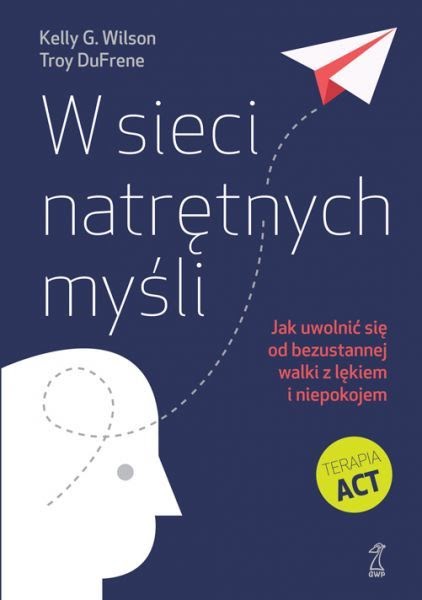
Wilson, K. G. i DuFrene, T. (2018). W sieci natrętnych myśli. Jak uwolnić się od bezustannej walki z lękiem i niepokojem. Gdańsk: GWP.
You can plan everything out in detail. You can consider every possible scenario. You can prepare for every possible contingency. However, nothing will protect you from the fact that sometimes things take a really bad turn and events occur for which you are completely unprepared. What does this mean? How do you react then? Do you take life as it is and stoically accept the fact that anything can happen? For many of us, the answer is quite different. We worry. We fear. We panic. We dwell on the past. We try to suppress this fear within ourselves, which simply refuses to be silenced. Instead of focusing on being “here and now,” we run ahead into the future or dissect what has already happened. Ultimately, we don’t have fears. They have us.

Rothbaum, B. O., Foa, E. B. i Hembree, E. A. (2018). Odzyskaj życie po traumie. Przedłużona ekspozycja w terapii PTSD. Poradnik pacjenta. Gdańsk: GWP.
The first Polish study of the prolonged exposure method in PTSD therapy. An excellent guide to PTSD therapy for people who have experienced trauma and are struggling with its psychological effects. The authors explain in an accessible way what post-traumatic stress disorder is, how it manifests itself, and how to cope with it. They describe the successive stages of prolonged exposure therapy — one of the most effective methods for treating PTSD — its goals, and its methods. Readers will learn to apply the techniques described, which will help reduce stress and anxiety, confront memories of the traumatic event, and process the emotions associated with it. This is an invaluable guide on the path to recovery.

Follette, V. M. i Pistorello, J. (2010). Jak żyć po traumie? Trening. Gliwice: Wydawnictwo Helion.
Scientific studies indicate that trauma is caused by extreme, negative events—wars, rapes, natural disasters, tragic accidents. However, for you, you yourself are the most important being, and anything that brutally shatters your own reality can trigger a genuine psychological shock. The death of a loved one, divorce, sudden job loss, a car accident. But it’s not worth becoming the tragic hero of your own story! You are not what happened to you! You are not that trauma, nor the thoughts and feelings that followed it. Although you had no control over the choice of your trauma, you still decide what your life will look like from here on out.

Heffner, M., Eifert, G. H. i Hayes, S. C. (2008). Jak pokonać anoreksję? Trening. Gliwice: Wydawnictwo Helion.
Although no completely effective methods for treating anorexia have been developed yet, this handbook presents an innovative approach to psychotherapy — Acceptance and Commitment Therapy, or ACT. It is a supportive method that will free you from the judgments associated with anorexia — specifically, from the assumption that something is wrong with you. You will begin to carefully observe your difficult thoughts and feelings without reacting to them in a self-destructive way. The techniques presented in the book will allow you to redirect the energy previously spent on compulsive weight loss and self-degradation toward positive action that will heal your body and soul.

Bailey, A., Ciarrochi, J. i Harris, R. (2019). Pożegnaj wagę. Jak wykorzystać techniki ACT w odchudzaniu i utrzymaniu wymarzonej sylwetki. Gdańsk: GWP.
The authors propose a different approach to weight loss. Using techniques drawn from Acceptance and Commitment Therapy, they show how to make lasting changes in life. By focusing on the psychological barriers that hinder setting and achieving goals, they promote a holistic approach to well-being, weight loss, and maintaining your desired weight — one that goes beyond meal planning, calorie counting, and gym workouts. You’ll learn how to stop doing things that don’t yield the results you want and redirect your energy toward what will work because it aligns with your values. You’ll discover ways to cope with unpleasant emotions and painful thoughts, which are the real cause of failure in the battle to lose weight.

McKay, M., Eifert, G. H. i Forsyth, J. P. (2008). O złości inaczej. Gdańsk: AnWero.
This comforting and empathetic book was written for people who have long struggled with anger in their lives and feel that this struggle is destroying them. The authors — outstanding therapists with many years of extensive clinical experience — describe an innovative and remarkably insightful approach to working through this difficult emotion. Using lively and highly accessible language, they discuss the fruitless struggles and attempts to control anger that many of us undertake, proposing new methods of working through it instead. They encourage us not to waste precious life energy on what we cannot influence — that is, on feelings — but to direct it toward what we can change — our behaviors.

Harris, R. (2012). Pułapka szczęścia. Białystok: Studio Astropsychologii.(jest to rzetelna publikacja niezależnie od niskiej wiarygodności innych pozycji wydawanych przez Studio Astropsychologii)
Stress, anxiety, depression, and low self-esteem have spread like an epidemic in the modern world. But why is this happening, when we’ve never had it better? Research indicates that we’ve fallen into a psychological trap of a vicious cycle. The harder we strive for happiness, the more we suffer in the long run. If you follow the principles of ACT, you’ll enrich your life, make it more intense, and give it meaning. Dr. Harris’s advice also works well in addressing many types of problems, ranging from stress and anxiety to depression and all forms of addiction.

Harris, R. (2018). Zrozumieć ACT. Terapia akceptacji i zaangażowania w praktyce. Gdańsk: GWP.
Russ Harris discusses the basic processes of ACT, the techniques used within it, and the course of a session in an accessible way. Everything is richly illustrated with examples and case studies, which helps readers understand the practical application of individual methods. The book also includes a set of useful materials, such as forms, worksheets, sample metaphors, and tips on adapting techniques and exercises to the needs of a therapist, trainer, or coach. This book is an invaluable source of reliable knowledge. It is aimed at a wide audience — from novice practitioners to more experienced ones who wish to refine their skills. Thanks to it, the complex theory and practice of ACT become accessible and understandable.
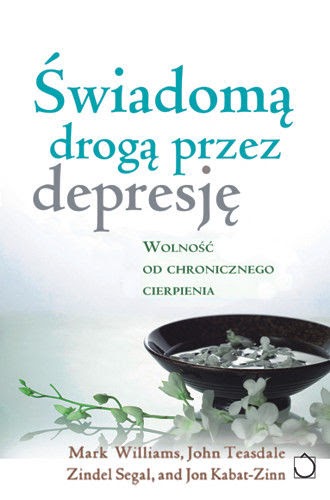
Williams, M., Teasdale, J., Segal, Z. i Kabat-Zinn, J. (2009). Świadomą drogą przez depresję. Warszawa: Czarna Owca.
The book is primarily intended as a self-help guide for people prone to depression or who tend to get lost in distressing thoughts about themselves. It offers specific exercises (also included on the CD) and is illustrated with many real-life examples. It guides the reader, step by step, from becoming aware of destructive patterns, through learning the basics of mindfulness practice, to a systematic program for applying it in daily life, allowing one to break old habits and develop a healthier way of treating oneself.
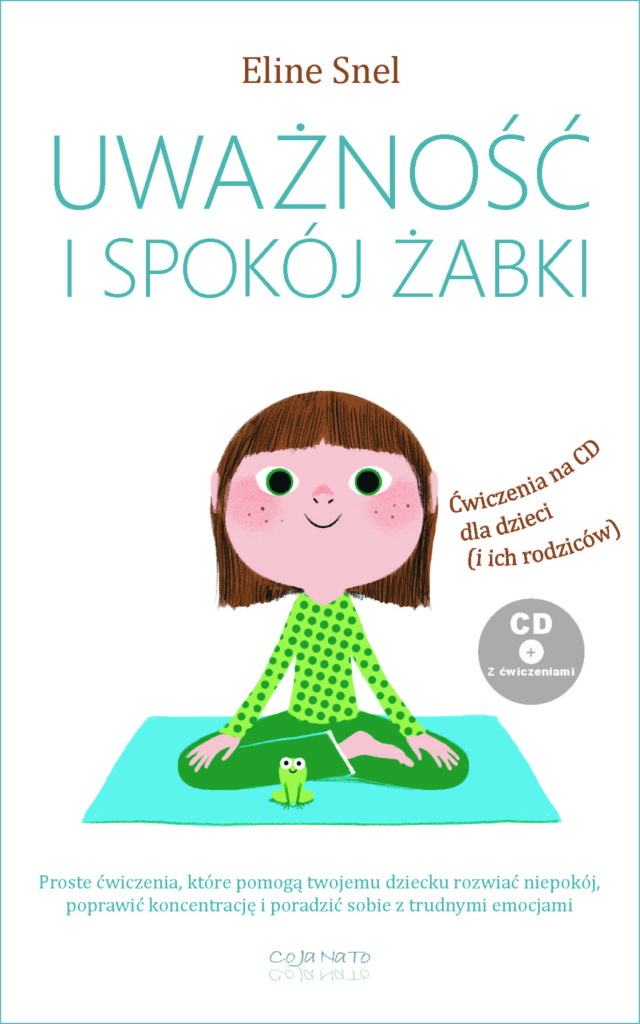
Snel, E. (2015). Uważność i spokój żabki. Warszawa: Wydawnictwo CoJaNaTo.
The first book on (secular) meditation for children. This simple, friendly, and effective method has received enthusiastic reviews from hundreds of thousands of parents, children, and educators around the world. In the Netherlands, nearly every elementary school has a trained teacher who leads a mindfulness exercise with students for several minutes every day. In many schools, this takes place simultaneously for all students, and it is in these very institutions that the effects — in the form of improved well-being, concentration, and mutual kindness among children — are most striking. The children themselves love these moments of calm and peace. Once they have learned how to do them, they willingly turn to this tool when difficult emotions overwhelm them.
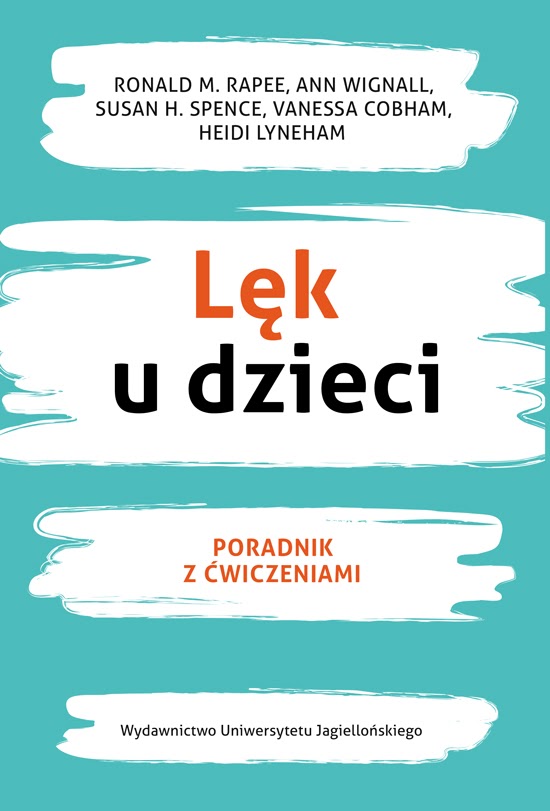
Rapee, R., Wignall, A., Spence, S., Lyneham, H. i Cobham, V. (2017). Lęk u dzieci. Poradnik z ćwiczeniami. Kraków: Wydawnictwo Uniwersytetu Jagiellońskiego.
The book is an adaptation of professionally validated therapeutic programs designed so that parents can independently teach their children specific methods for coping with anxiety. The authors demonstrate how to respond to a child’s panic attacks, help them become comfortable with difficult situations, develop social skills, and assist in recognizing unfounded fears.
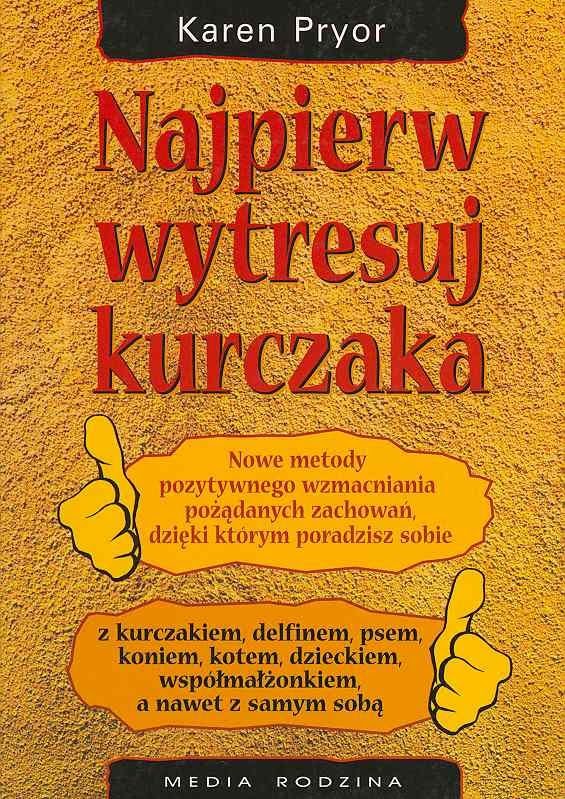
Pryor, K. (2004). Najpierw wytresuj kurczaka. Poznań: Media Rodzina.
New methods of positive reinforcement for desired behaviors, thanks to which you can handle a chicken, a dolphin, a dog, a horse, a cat, your spouse, and even yourself.

Gottman, J. M., Szwartz Gottman, J. i DeClaire, J. (2008). 10 sposobów, które pomogą naprawić nasze małżeństwo. Poznań: Media Rodzina.
This book should be required reading for modern couples. Its authors, a married couple of psychologists with many years of research on the state of married couples, share important advice that allows you to build a strong, mutually loving relationship despite various problems. The authors allow us to take a close look at ten couples who have gone through the hell of infidelity, workaholism, problems with young children, serious illnesses, and estrangement, in order to significantly improve the quality of their relationships.

Gottman, J. M. i Silver, N. (2011). Siedem zasad udanego małżeństwa. Kraków: Wydawnictwo Uniwersytetu Jagiellońskiego.
Gottman revolutionized marriage research by introducing scientific methods for the extremely detailed observation of married couples’ behaviors over the course of more than a decade. Years of experience have taught him to predict the future of a relationship with remarkable accuracy — after just a brief observation of a marriage, he can determine whether it has a future or is at risk of divorce. Here is the culmination of his life’s work: seven principles that, if followed, can prevent the breakdown of a marriage and, moreover, help couples build a harmonious and lasting relationship. Additionally, the book includes many practical questionnaires and exercises.

McKay, M. i Paleg, K. (2008). Kiedy złość niszczy twój związek. Gdańsk: GWP.
The authors of this book, two experienced psychologists, propose several methods for dealing with anger. We get angry for many reasons. Instinct tells us that we should take revenge on those who have hurt us. Anger and the desire for revenge may bring temporary relief, but the pain soon returns. However, there is a way to stop treating anger (and the desire for revenge) as an effective method of self-defense. In this book, you’ll find several proven methods for self-improvement. Using these newly acquired skills will help you transform your marital relationship. You’ll grow closer to your partner, and you’ll be reminded of those distant days when you were madly in love with each other.

Davis, M., McKay, M. i Fanning, P. (2017). Sztuka skutecznego porozumiewania się. Gdańsk: GWP.
The ability to communicate has a huge impact on all areas of our lives. Thanks to it, we build and maintain friendly relationships with people, clearly express our thoughts, communicate effectively with family and coworkers, handle conflict situations, and, when making new acquaintances, avoid the pitfalls of prejudice. We can also take care of our own needs. With the right exercises, anyone can learn to communicate efficiently and effectively. The authors of the book describe tools that will allow you to express yourself and communicate effectively with others. Numerous examples and practical exercises will help you with this.

Fredrickson, B. L. (2011). Pozytywność. Poznań: ZYSK I S-KA.
We are all familiar with negativity, which plagues us at every turn. Negativity seeps into our thoughts and judgments. It creeps into family and friendship relationships, robbing them of goodwill. And positivity? Can it change our lives? And what exactly is positivity? Dr. Barbara Fredrickson has been exploring these questions for over twenty years. Her discoveries and insights have earned her renown in the field of psychology and beyond. In Positivity, Dr. Fredrickson presents new, fascinating scientific findings that confirm that this powerful, yet underappreciated mental state can have a beneficial impact on our relationships, improve our health, alleviate depression, and expand the boundaries of the mind. Experiencing positivity can permanently change your life.

Lyubomirsky, S. (2011). Wybierz szczęście. Naukowe metody budowania życia, jakiego pragniesz. Warszawa: Laurum.
Do you think any of these three things could make you happy: an increase in income, social advancement, or a better appearance? If you think so, you’re mistaken — you’ve fallen victim to the myths about happiness ingrained in modern society. These myths block our path to joy and fulfillment in life. Sonja Lyubomirsky debunks these misconceptions: she draws on the findings of all the most important studies on happiness ever conducted. She shows how to consciously embark on the path to building happiness, change your mindset, develop useful habits, and start making time for what truly brings you joy. This book is a guide to cultivating happiness in life.

Lyubomirsky, S. (2013). Mity o szczęściu. Co powinno nam dawać szczęście, ale nie daje. Co nie powinno nam dawać szczęścia, ale daje. Warszawa: Laurum.
The author argues that people have allowed themselves to be subjected to social norms defining the conditions for feeling happy, which causes many of us to stop searching for our own happiness. Furthermore, because we have been taught (told) that certain important life events s h o u l d produce a sense of happiness or lead to a sense of its absence, we instinctively react in a specific and expected way. Meanwhile, it is not circumstances that should determine our sense of happiness, but our state of mind, which can be shaped, as confirmed by the scientific research discussed in the book.

Seligman, M. E. P. (2002). Optymizmu można się nauczyć. Poznań: Media Rodzina.
A pioneering guide showing simple and effective ways to break free from pessimism, abandon negative thinking, and improve one’s life.

Seligman, M. E. P. (2005). Prawdziwe szczęście. Poznań: Media Rodzina.
Readers of this book may be surprised to learn that there is scientific evidence that the type of joy a person expresses while undertaking life’s main task influences their lifespan. Readers will also learn that every experience of joy, an optimistic attitude, or a sense of joy has a significant impact on the quality of thinking, on making sound decisions, on the sense that we are authentic, and on taking actions that give life meaning.
Seligman, M. E. P. (2011). Pełnia życia. Poznań: Media Rodzina.
Martin Seligman, author of such popular books as “The Optimism Project” and “Authentic Happiness,” has been promoting a trend in psychology that has been gaining popularity worldwide for the past fifteen years — positive psychology. The traditional goal of psychology has always been to bring relief from suffering and to remove the conditions that impair people’s lives. Positive psychology, on the other hand, focuses on what gives life deeper meaning and creates the conditions that allow people to achieve well-being.

Ben-Shahar, T. (2009). W stronę szczęścia. Poznań: Dom Wydawniczy REBIS.
Treat “The Happiness Project” as your personal workbook. In each chapter, you’ll find a brilliant discussion of various aspects of happiness and suggestions for simple exercises that will help you see your life in a new light and find meaning and a sense of purpose. Dr. TAL BEN-SHAHAR is one of the most popular lecturers at Harvard University. He has been featured on National Public Radio, CNN, and CBS, and writes for the “New York Times” and the “Boston Globe.” He is a Harvard graduate himself, with degrees in philosophy and psychology. For the past ten years, he has been teaching ethics, leadership, and self-esteem.
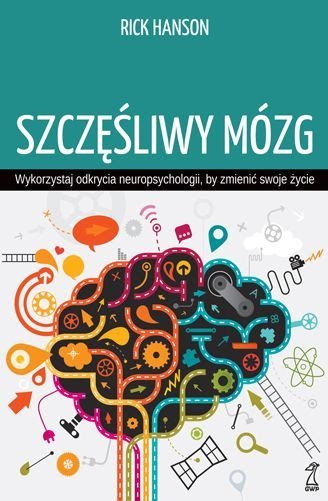
Hanson, R. (2016). Szczęśliwy mózg. Wykorzystaj odkrycia neuropsychologii, by zmienić swoje życie. Gdańsk: GWP.
Over the course of evolution, the human brain developed in such a way as to learn quickly and draw conclusions from negative experiences. It served as an internal warning system against dangers. This focus on detecting threats helped our ancestors survive. Today, we don’t have to fight for our lives every day, but our brain still works the same way — it treats every negative situation as a threat and “remembers” it for much longer than a positive experience. However, we can change this and “reprogram” our brains to function differently. The brain is plastic, and experiences can shape it. It changes depending on what we focus on.
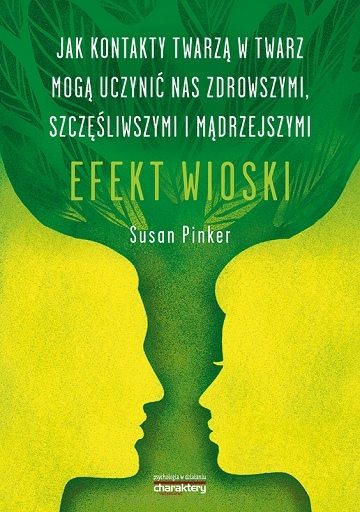
Pinker, S. (2015). Efekt wioski. Jak kontakty twarzą w twarz mogą uczynić nas zdrowszymi, szczęśliwszymi i mądrzejszymi. Warszawa: Charaktery.
Here are just a few of the many reasons the author gives for why direct human contact is so important: the lowest rates of dementia are found among those with extensive social networks; a hug or a pat on the back alleviates the physiological response to stress, which in turn helps the body fight infections; among women with breast cancer, those with strong social networks are four times more likely to live longer than those with weak networks; social contact early in life helps in later struggles with stress; those who regularly meet with friends live, on average, fifteen years longer than “loners.”

Brown, B. (2012). Dary niedoskonałości. Poznań: Media Rodzina.
Brené Brown’s “The Gifts of Imperfection” is a psychological guide for all those who struggle with perfectionism and, as a result, with low self-esteem. To break free from the cycle of false beliefs that we must always be perfect and cannot make mistakes, the author suggests accepting our flaws and shortcomings as part of human nature. Only then will we discover the gifts that imperfection bestows upon us — the courage to make important decisions with greater confidence and without fear, the compassion to treat ourselves and others better, and stronger bonds with loved ones, thanks to the understanding that everyone is capable of making mistakes. Above all, however, imperfection will enable us to begin living authentically — filled with joy and satisfaction in who we are and in what happens to us.

Behary, W. T. (2013). Rozbroić narcyza. Jak radzić sobie z osobą zapatrzoną w siebie. Gdańsk: GWP.
An excellent survival guide for those in a relationship with a narcissist! What are the sources of narcissism? Why do we fall for a narcissist’s charm? How can you take care of yourself in a relationship with a narcissist? How do you deal with a narcissistic parent or partner? The author of this book answers these and many other questions. Thanks to her, you’ll learn effective ways to deal with someone who sees themselves as the center of their own world. You’ll learn why a narcissist is the way they are, how they perceive the world, and how to break through their defense mechanisms using empathetic confrontation. You’ll learn to set boundaries in your relationship so you can meet your own needs and foster your personal growth, and you’ll discover the seven gifts of communicating with a narcissist.

Kreisman, J. J. i Straus, H. (2018). Nienawidzę cię! Nie odchodź! Zrozumieć osobowość borderline. Kraków: Wydawnictwo Uniwersytetu Jagiellońskiego.
The authors introduce the reader to the world of a person with borderline personality disorder (BPD) in an accessible way, helping them understand how such a person perceives reality and what feelings and thoughts swirl in their mind — a process greatly facilitated by numerous examples and clear comparisons. At the same time, they thoroughly discuss all typical symptoms, possible causes of the disorder, and treatment methods. Separate chapters are also devoted to practical tips for handling crisis situations and communicating with people with borderline personality disorder. It is an excellent read for people with BPD symptoms themselves, their loved ones, and therapists alike.

Kerner, I. (2010). Jej orgazm najpierw. Warszawa: Czarna Owca.
This is a compendium of knowledge on oral sex techniques, which is a surefire way to give your partner true pleasure. The author — a clinical sexologist — argues that oral sex, long considered merely a part of foreplay, should be the main course on the erotic menu. Based on the premise that few men are able to ask for help and guidance regarding their sex lives, Ian Kerner decided to write a book for the shy. The result is a guide that makes the female orgasm no longer a mystery to men.

Kerner, I. (2010). Jego orgazm później. Warszawa: Czarna Owca.
The author offers women advice — sometimes radical, but always expert — on a wide variety of topics, ranging from the nature of male desire to effective sexual techniques. The author focuses entirely on the issue of male sexuality, explains the most common sexual habits, and provides expert answers to the questions women ask most frequently. As a sexologist and therapist, he has conducted numerous interviews with men, not only about the best sex they have ever had, but also about the best sex they have never had: experiences they have always dreamed of and fantasized about, but were afraid to share with their partners.

Lilienfeld, S. O., Lynn, S. J., Ruscio, J. i Beyerstein, B. L. (2011). 50 wielkich mitów psychologii popularnej. Warszawa: Wydawnictwo CiS.
The authors of the book are lecturers and professors at renowned American universities. For someone who, like them, works professionally in psychology and has already trained a new generation of psychologists, the proliferation of myths created by the popular psychology industry poses a serious challenge—and not only because the myths and stereotypes dominant in mass culture are mostly either false or draw on long-discredited theories and concepts of human nature. Worse still, some of these myths are simply harmful. Where do psychological myths come from and why are some of them dangerous? How can you avoid being seduced by “pop psychology,” and why are facts in psychology usually much more interesting than fiction? These questions are answered in "50 Great Myths of Popular Psychology".

Levine, A. i Heller, R. (2023). Partnerstwo bliskości. Jak teoria więzi pomoże ci stworzyć szczęśliwy związek. Łódź: Wydawnictwo JK Sp. z o.o.
In the groundbreaking and exceptional book "The Attachment Partnership: How Attachment Theory Can Help You Build a Happy Relationship", psychiatrist Amir Levine and psychologist Rachel S. F. Heller reveal a way to more easily find and sustain love. Attachment theory — currently the most advanced science of relationships—is the foundation of many best-selling books on parent-child relationships, but until now there has been no guide to what this theory has to offer regarding romantic relationships between adults. The creator of attachment theory was the British psychologist and psychoanalyst John Bowlby, who in the 1950s explored the enormous impact that our early relationships with parents or caregivers have on the kind of people we become. He also demonstrated that our need for connection with another person is hardwired into our genes.
Many of my patients also struggle with financial challenges, which are often linked to psychological difficulties. A practical approach to financial management can support the process of regaining a sense of security and agency. Below, I present selected publications that may prove helpful in this area.

Iwuć, M. (2015). Jak zadbać o własne finanse? Warszawa: Wydawnictwo Edgard.
A unique, 10-step program for effective financial management tailored to Polish realities! Find out the real cause of your money problems and tackle it. Switch your household budget to smart saving. Get rid of your debts faster, debunk credit myths, and learn to avoid banking traps. Find out where to safely accumulate savings. Choose a favorable retirement account and set aside money for your children’s education. This guide will help you solve the problem of not having enough money.

Szafrański, M. (2019). Finansowy ninja. Warszawa: Kaveo Michał Szafrański.
Financial Ninja is the essence of the author’s knowledge and experience regarding personal finance. It is a handbook designed to fill the gaps in school education. It explains basic but not obvious principles, offers simple tips on the wise use of financial products, and warns against threats to our money. This book is a fundamental weapon in the fight for financial security. The book is written in simple language that everyone can understand — including people who don’t know the first thing about finance. Loyal readers of my blog will also find plenty of new content in it that makes up a complete training program for a true financial ninja.

Głuch, C. (2020). Inteligentny Inwestor XXI Wieku. Tom 1-4. Independent Publishing.
Which is more important — the stock market or the bond market? How do you determine whether stocks are expensive or cheap? How is it possible that bond prices have been rising for nearly 40 years? How is currency created? What is the current monetary system based on? Why is one country’s currency cheap while another’s is expensive? Can central banks make stock prices rise indefinitely? In reality, these are just a few from a long list of questions, the answers to which you will find in the first volume of the book, with the rest in the remaining three volumes.